Why Modern Car Keys Cost More to Replace Than Traditional Metal Ones
If you have ever lost a traditional metal car key, you know the process was straightforward. You would call a locksmith, they would cut a new key from a blank, and you would be on your way in minutes. The cost was modest because the work was simple. That experience does not apply to most cars built in the last decade. Today, the key in your pocket is likely a small computer, and replacing it involves much more than a cut of metal.
Understanding why the price has changed helps you make smarter decisions when you need a replacement. It also explains why waiting until you are stranded is not a good idea. The shift from metal to smart keys reflects how much the automobile itself has changed. The key is no longer just a key; it is a device that communicates with your car.
What Changed: From Metal to Microchips
A traditional metal key works by aligning a series of grooves and valleys with the pins inside a lock cylinder. If the cuts match, the cylinder turns and the lock opens. This is a mechanical process. There are no electronics involved. The only thing that can go wrong is physical wear or a broken key.
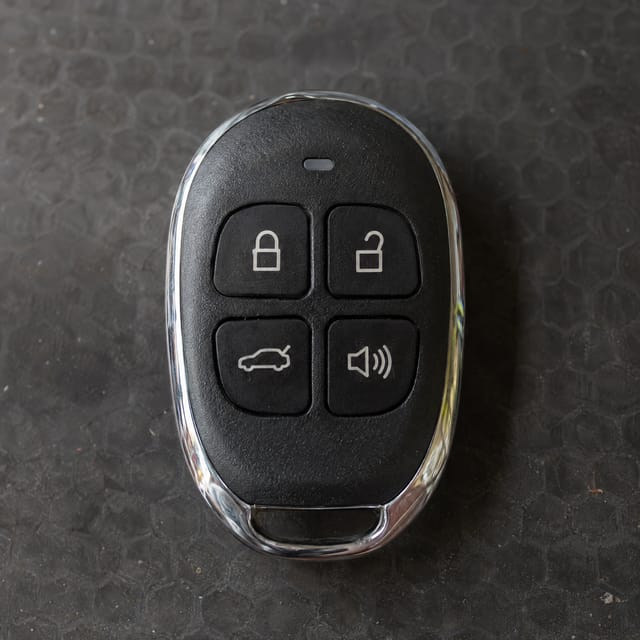
Modern car keys are different. They contain a microchip that stores a unique code. When you insert the key into the ignition or bring the fob near the car, the chip sends that code to the vehicle's receiver. If the code matches what the car expects, the engine starts or the doors unlock. This is a digital handshake, not a mechanical one. The key type matters because each vehicle make and vehicle model uses a different system. Some use rolling codes that change every time you use the key. Others use fixed codes. The vehicle model year also affects which system is in place. Older smart keys use simpler encryption, while newer ones use more complex algorithms.
What a Replacement Requires
When you need a new key, the locksmith must first obtain the correct replacement blank. That blank is not a universal piece of metal. It is a specific plastic or metal fob that contains the right chip for your car. The blank itself costs more because it is a manufactured electronic device, not a simple metal cutout.
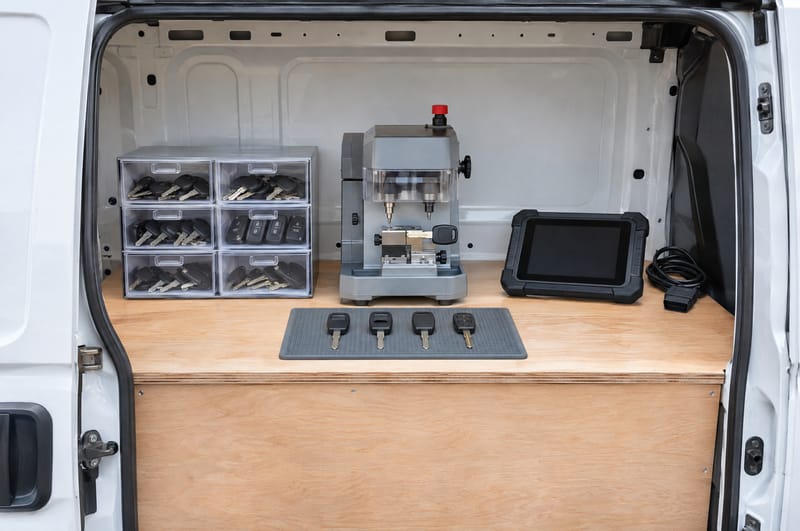
Once the blank is sourced, the next step is programming. The locksmith uses a device that communicates with your car's onboard computer. This process writes the correct code onto the new key so that your car will recognise it. Programming is not a simple copy and paste job. The locksmith often needs to erase old codes or add new ones. The process varies by vehicle make and vehicle model. Some cars allow the locksmith to program a new key directly through the vehicle's diagnostic port. Others require a sequence of steps involving the ignition and the key itself. A mistake during programming can leave you with a non-functional key, which is why experienced technicians take care with this step.
After the key is programmed, the locksmith may still need to cut the physical blade if the key has one. Many modern keys combine a metal blade for the door lock with an electronic fob for the ignition. This means two separate processes: cutting the metal and programming the chip. Both need to be done correctly for the key to work.
Why the Cost Adds Up
The main reason the car key replacement cost is higher than it used to be is the technology involved. The replacement blank itself is more expensive because it is a piece of electronics. The programming equipment that the locksmith uses is also costly and requires regular updates to handle new vehicle model year releases. The locksmith's time includes not just the physical work of cutting a key but also the diagnostic work of identifying the correct system and programming it.
Another factor is the security built into modern keys. Car manufacturers have made it harder to clone keys as a theft deterrent. This means that even if you have a working key, programming a second one can require a code from the manufacturer or a special process that not every locksmith can perform. The process is not as simple as reading a code from one key and writing it to another. Some systems require the locksmith to have access to a secure database or to use a dealer-level tool.
The arrival time for a mobile locksmith also plays a role. If you are stranded, you pay for the convenience of someone coming to you. The locksmith must bring the right equipment for your specific vehicle make and vehicle model. That means they need to carry a wide range of blanks and programming tools. The service call itself covers the travel time and the readiness to handle whatever key you have.
What This Means for You
If you own a car made in the last ten years, you should treat your key as a valuable electronic device, not a simple piece of metal. Losing it is not just an inconvenience; it is a process that requires a professional with the right tools. The car key replacement cost reflects that complexity. It is not arbitrary. It is the price of the technology that keeps your car secure.
One practical step you can take is to have a spare key made while you still have a working original. Making a copy when you have a functional key is often easier and less expensive than creating a new key from scratch. If you wait until you lose the only key, the locksmith may need to perform additional steps to prove you own the car and to access the programming system. Some cars even require a dealer visit if the locksmith does not have the specific equipment for that vehicle model year.
You should also know what kind of key you have. Check your owner's manual or look at the key itself. If it has buttons or a plastic casing that looks like a small remote, it is likely a smart key. If it is a plain metal blade, it is a traditional key. Knowing the key type helps you understand what you are dealing with when you need a replacement.
For those who drive older cars, traditional metal keys are still common. The replacement process is much simpler and the cost is lower. But even some older cars use transponder keys that require basic programming. The line between old and new is not always clean. The best approach is to assume your key is electronic unless you know otherwise.
What to Watch Out For
Not all locksmiths can program every key. The equipment required varies by brand and by year. When you call for help, ask if they have the tools for your specific vehicle make and vehicle model. A general locksmith may be able to cut a metal key but not program a smart fob. A mobile locksmith who specialises in automotive work is more likely to have the right gear.
Beware of offers that seem too cheap. If someone quotes a price that is significantly lower than others, they may be using a generic blank that will not work properly or may not have the correct programming equipment. A key that is not programmed correctly can fail at the worst possible time. It is better to pay for a proper job than to be stuck later with a key that does not work.
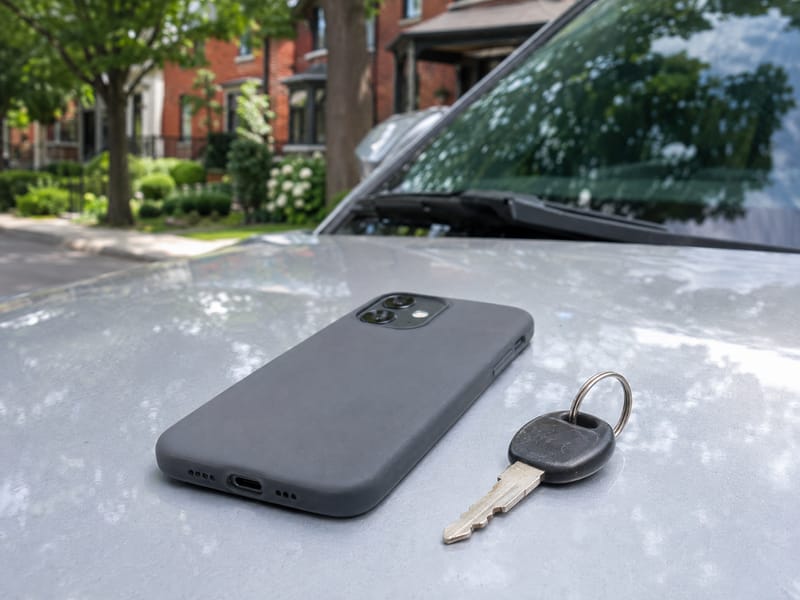
Also, keep in mind that some keys cannot be copied at all. If you lose the only key to a car that uses a high-security system, the locksmith may need to order a new blank from the manufacturer and program it at the vehicle. This takes time and costs more, but it is the only way to get a working key.
The Bottom Line
Modern car keys are small computers. They include a chip, a code, and often a physical blade. Replacing them requires skill, specialised equipment, and the correct blank. The car key replacement cost is higher because the work is more involved. Understanding this helps you plan ahead and avoid surprises. Whether you drive a new model or an older one, knowing your key type and having a spare made while you can will save you time and frustration later.